Beyond GYM: How Creatine Helps Everyday Performance
When people hear “creatine,” they usually picture a gym bag, heavy deadlifts, and a shaker bottle. But creatine is far more versatile than that narrow image suggests. This naturally occurring compound — produced in your liver and stored primarily in muscle and brain tissue — supports cellular energy production in every cell of your body. That means benefits that go well beyond building muscle: improved mental clarity, faster recovery from fatigue, better daily stamina, and helping preserve lean mass during weight loss. In short, creatine is a small supplement with big everyday returns.
This guide explains how creatine works, who should consider it, how to use it safely with Indian foods and fasting schedules, and practical tips to make it part of your lifestyle — even if you never set foot in a gym.
What Is Creatine — The Simple Science
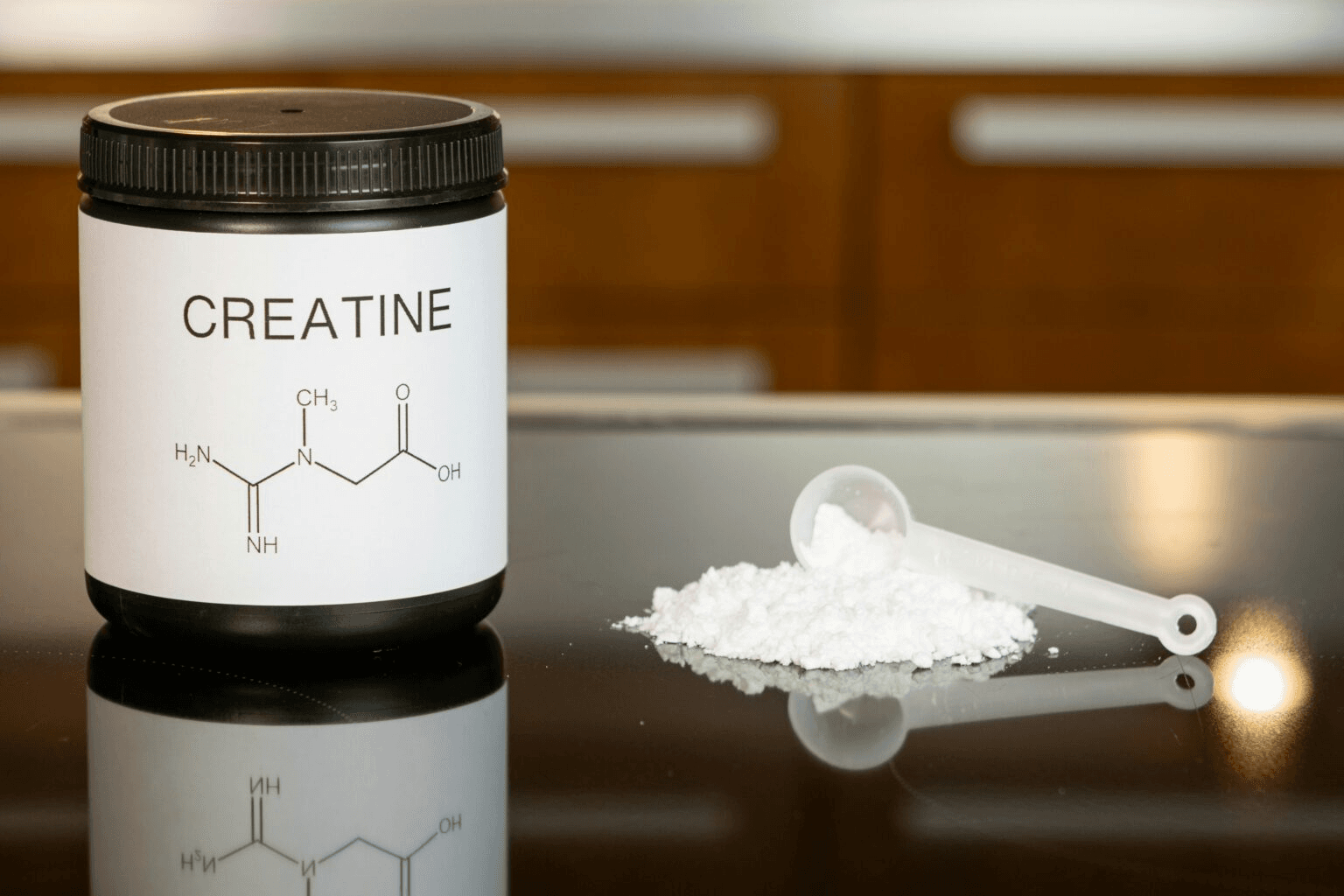
Creatine is an amino acid derivative (made from arginine, glycine, and methionine) that helps the body rapidly recycle ATP, the primary energy currency inside cells. During short, intense energy demands — from sprinting for the bus to focusing on a long meeting — the creatine system refuels ATP faster than other metabolic pathways, reducing fatigue and helping you perform better.
About 95% of your body's creatine is stored in skeletal muscles; the remaining amount is in the brain, heart, and other tissues. Dietary creatine comes mainly from meat and fish, which is why vegetarians often have lower baseline creatine stores and may notice bigger benefits from supplementation.
Daily Benefits of Creatine (Not Just for Bodybuilders)
- Boosted energy: Helps reduce both physical and mental fatigue during demanding tasks.
- Improved brain function: Supports memory, learning, and cognitive resilience, especially during sleep deprivation or mental load.
- Faster recovery: Reduces muscle soreness and supports cellular repair after physical or mental stress.
- Preserves lean mass: Important during calorie deficits for weight loss so metabolism doesn't drop as quickly.
- Enhanced mood & resilience: Emerging evidence suggests benefits for mood and mental fog in some populations.
These are practical, everyday wins: more energy for work, clearer thinking, better recovery after a long day, and protection against muscle loss as you age or diet.
Creatine and the Brain — Why It Helps Mental Work
Creatine increases available phosphocreatine in the brain, which helps maintain ATP levels during cognitive tasks. Clinical and pilot studies have shown improvements in working memory, intelligence tests, and mental fatigue resistance — especially in those with lower baseline creatine (e.g., vegetarians), older adults, and people under stress.
If your day requires intense focus (studying, coding, parenting, or shift work), creatine can be a simple, low-risk tool to help your mind stay sharp.
Is Creatine Safe? — Short Answer: Yes (For Most People)
Hundreds of studies across decades show creatine monohydrate is safe for healthy adults when used in recommended doses. Common myths — kidney damage, liver harm, or hormone disruption — are not supported in healthy populations. Still, people with pre-existing kidney disease or those on specific medications should consult a healthcare provider before starting any supplement.
Who Stands to Benefit Most?
- Vegetarians & vegans: Lower dietary creatine means bigger gains in cognition and energy.
- Women over 40: Helps preserve muscle and supports cognitive health through hormonal changes.
- Busy professionals & students: Helps resist mental fatigue during heavy cognitive loads.
- People on calorie-restricted diets: Preserves lean mass and maintains metabolic rate during weight loss.
- Those recovering from illness or burnout: Supports cellular energy and quicker recovery.
How to Take Creatine — Practical, No-Fuss Instructions
Typical daily dose: 3–5 grams of creatine monohydrate. No loading phase is necessary — consistent daily intake saturates muscle stores in 2–4 weeks.
When to take it: Anytime that fits your routine. For best absorption, take it with a small carbohydrate-containing meal or drink (this slightly improves uptake but is not essential).
Mixing: Dissolve in warm water, lemon water, buttermilk (chaas), or a smoothie. Plain creatine monohydrate is inexpensive and effective — avoid sugar-loaded flavored variants unless you want the taste.
Hydration note
Creatine increases intracellular water retention (inside cells), so drink adequate water across the day — aim for at least 2–3 liters depending on climate and activity. In India’s heat, increase fluid intake and include hydrating foods like cucumber or coconut water.
Creatine + Intermittent Fasting — What Works
If you practice time-restricted eating (e.g., 12pm–8pm), you can take creatine during your eating window. Creatine itself does not contain calories that break a fast in a meaningful metabolic way, but it’s best absorbed alongside some carbs or a light meal.
Practical options:
- Take 3–5 g with your first meal (e.g., 12pm) — pair with a banana or a small portion of rice/roti.
- If you train during fasting, take creatine immediately after your workout with your post-workout meal.
- During prolonged fasts, consult a healthcare provider; creatine’s safety is high, but your overall nutrition should be monitored.
Indian Meal Ideas That Pair Well with Creatine
Integrating creatine into familiar meals makes long-term adherence easier. Here are starter ideas:
- Before light activity: Banana + black coffee + 2–3 g creatine for a kick without heaviness.
- Post-activity / post-fast: Moong dal chilla, steamed paneer with roti, or poha with roasted peanuts — take creatine with this meal.
- With daily meals: Stir creatine into buttermilk (chaas), lassi, or a lemon-sweetened smoothie.
- Comfort options: Mix with warm khichdi or curd rice for gentle digestion and improved uptake.
These combinations help digestion, improve creatine uptake and keep your intake pleasant and Indian-diet friendly.
Creatine for Weight Loss: Why It Makes Sense
A fear many have is that creatine makes you “bigger” or fatter. This is a misunderstanding. Creatine encourages water retention inside muscle cells and helps preserve or even increase lean mass during caloric deficits. That preservation matters because muscle loss lowers resting metabolic rate, which can make fat loss harder or lead to faster regain after dieting.
So, when you’re cutting calories to lose fat, creatine helps protect the muscle you already have — keeping metabolism steadier and strength higher for daily tasks and walks.
Common Myths — Debunked
- Creatine causes kidney damage: No valid evidence in healthy people. If you have kidney disease, consult a doctor.
- It’s only for bodybuilders: False — benefits extend to cognition, recovery, and daily energy.
- It makes you bloated: Any early water retention is intracellular (inside muscle cells), not fat. It often normalizes.
- You must load: Loading helps saturate stores faster but isn’t necessary. Daily 3–5 g works well.
Tips for Indian Readers — Brands, Forms & Food Pairing
Brands: Buy plain creatine monohydrate from reputable sources — many international and Indian supplement companies sell lab-tested options. In India, look for transparent companies with third-party testing and clear ingredient lists. Avoid creatine blends with unnecessary sugars.
Form: Creatine monohydrate powder is the gold standard. Micronized creatine mixes more easily but is otherwise the same compound.
Food pairings: Khichdi, curd rice, buttermilk, smoothies with banana or mango, or a small portion of rice or roti with dal. These are practical, stomach-friendly choices.
Who Should Be Cautious?
- People with kidney disease or impaired renal function should seek medical advice.
- Those on medications affecting renal function or creatine metabolism.
- Pregnant or breastfeeding women — consult your physician.
Practical Daily Routine Example (No Gym Needed)
Here’s a simple routine for everyday performance using creatine:
- Morning (if not fasting): 3–5 g creatine with banana + black coffee or buttermilk.
- Fasted morning (IF): Take creatine at first meal (12pm) with khichdi or paneer roti.
- Active day: Midday walk or light bodyweight workout → creatine with post-walk snack.
- Evening: 1–2 L extra water across the day; hydrating foods like cucumber & coconut water.
Combining Creatine With Other Daily Wellness Habits
Creatine works best as part of a holistic routine:
- Prioritize sleep (7–8 hours) to allow brain and muscle recovery.
- Maintain protein intake (lentils, paneer, eggs) to support muscle preservation.
- Stay active — brisk walks, yoga, or short bodyweight circuits.
- Manage stress with breathwork or short meditations for cognitive resilience.
Practical FAQ
Q: Will creatine break my fast?
A: Creatine itself has no significant calories and is unlikely to break metabolic fasting benefits. But many people prefer taking it with a meal for better uptake.
Q: How long until I notice effects?
A: Mental benefits may appear in 1–4 weeks. Physical and recovery benefits are often more noticeable after 2–6 weeks of consistent use.
Q: Do women need different doses?
A: No. 3–5 g daily is appropriate for most adults regardless of gender.
Q: Can I take creatine forever?
A: Many people use creatine continuously for years without issue. It’s intended as a long-term supplement rather than a short-term drug.
Mistakes to Avoid
- Buying flavored creatine with lots of sugar — choose plain monohydrate.
- Neglecting hydration — increased intracellular water requires adequate fluids.
- Expecting overnight miracles — consistency is key.
- Not checking for third-party testing — aim for quality assurance.
Want More Practical Nutrition & Routines?
For Indian meal ideas and fasting-friendly plans, check these guides in our collection:
Conclusion — A Spoonful of Practical Power
Creatine is not reserved for elite athletes. It’s a low-cost, well-researched nutritional tool that can improve everyday energy, brain performance, recovery, and body composition — especially in vegetarian diets and busy modern lifestyles. With simple dosing (3–5 g daily), decent hydration, and common-sense pairing with Indian meals or fasting windows, creatine becomes a practical part of everyday wellness. If you’re curious, try it consistently for 4–8 weeks and notice how small gains in energy and clarity can add up to a better daily life.
Start small, be consistent, and treat creatine as one smart habit among many.