7 Proven Ways to Improve Gut Health Naturally
Your gut is more powerful than you think. It affects your digestion, immunity, skin, brain function, mood, weight, and even your risk of chronic diseases. The gut microbiome—a community of trillions of bacteria, fungi, and microorganisms—plays a vital role in keeping your body balanced. When the gut is healthy, you feel energetic, focused, and strong. When it’s not, you may experience bloating, brain fog, fatigue, acne, weakened immunity, digestive issues, or food sensitivities.
The good news? You can dramatically improve gut health through natural lifestyle changes. This guide explores seven science-backed ways to support your digestive system and build a thriving gut microbiome.
Understanding the Gut Microbiome
The gut microbiome is made up of bacteria, viruses, and microbes that live in your digestive tract. These microorganisms help:
- Break down food and absorb nutrients
- Regulate immunity and inflammation
- Balance hormones
- Produce vitamins like B12 and K
- Support mental health via the gut–brain axis
- Protect against harmful pathogens
A balanced microbiome contains diverse beneficial bacteria. An imbalanced microbiome (called dysbiosis) leads to health issues such as IBS, constipation, anxiety, skin disorders, and chronic inflammation.
Let’s explore natural ways to keep your gut thriving.
1. Incorporate Probiotic-Rich Foods
Probiotics are live “good” bacteria that improve the diversity of your gut microbiome. They help with digestion, immunity, and maintaining a healthy balance of gut flora.
Best Probiotic-Rich Foods
- Yogurt (unsweetened)
- Kefir
- Kimchi
- Sauerkraut
- Kombucha
- Miso
- Tempeh
- Pickles (naturally fermented)
Benefits of Probiotics
- Reduce bloating and constipation
- Improve digestion
- Strengthen immunity
- Balance gut bacteria after antibiotics
- Support mental well-being through the gut-brain axis
Tip: Choose fermented foods with “live and active cultures” for maximum benefits.
2. Consume Prebiotic Foods
Probiotics are good bacteria—and prebiotics are the food they eat. Without prebiotics, probiotics can’t survive.
Top Prebiotic Foods
- Garlic
- Onions
- Leeks
- Bananas (especially slightly green ones)
- Asparagus
- Oats
- Chicory root
- Jerusalem artichokes
How Prebiotics Help
- Improve digestion
- Feed healthy gut bacteria
- Boost immunity
- Reduce inflammation
- Enhance absorption of minerals like calcium
Tip: Combine both probiotics + prebiotics for a balanced microbiome. This combination is called a “synbiotic” effect.
3. Stay Hydrated
Water plays a crucial role in digestion and gut health. Your gut requires hydration to break down food, move waste, and keep the intestinal lining healthy.
Benefits of Staying Hydrated
- Prevents constipation
- Supports smooth digestion
- Keeps the gut lining strong
- Reduces bloating
- Helps regulate bowel movements
Aim to drink at least 7–8 glasses of water a day or more depending on activity levels and climate.
Bonus Tip: Warm water in the morning can stimulate digestion and bowel movements.
4. Manage Stress Levels
Stress and gut health are deeply connected through the gut-brain axis. When you're stressed, your body produces cortisol and adrenaline, which disrupt digestive processes.
Effects of Stress on the Gut
- Bloating and gas
- Stomach pain or cramps
- Constipation or diarrhea
- Inflammation of the gut lining
- Increased growth of harmful bacteria
Natural Stress-Relief Techniques
- Deep breathing exercises
- Meditation or mindfulness
- Yoga
- Walking outdoors
- Listening to calming music
- Journaling
- Spending time in nature
Even 10 minutes of daily relaxation can significantly improve gut health.
5. Ensure Quality Sleep
Sleep and gut health influence each other. Poor sleep disrupts digestion, weakens immunity, and alters the microbiome. Meanwhile, an unhealthy gut can cause sleep disturbances.
How Sleep Affects the Gut
- Reduces beneficial bacteria
- Increases inflammation
- Weakens the gut lining
- Slows digestion
- Affects hunger hormones (ghrelin and leptin)
Tips to Improve Sleep
- Sleep 7–9 hours daily
- Stick to a consistent sleep schedule
- Avoid screens 1 hour before bedtime
- Create a relaxing night routine
- Limit caffeine after 2 PM
Better sleep → happier gut → healthier body.
6. Engage in Regular Physical Activity
Exercise is one of the most powerful natural tools for supporting gut health. It increases the diversity of healthy gut bacteria and improves digestion.
Benefits of Exercise on Gut Health
- Enhances gut motility (movement of waste)
- Reduces constipation
- Improves nutrient absorption
- Boosts immune function
- Reduces stress-related digestive issues
Best Types of Exercise for Gut Health
- Walking
- Jogging
- Yoga
- Cycling
- Swimming
- Pilates
Just 20–30 minutes of moderate movement a day can improve gut function.
7. Avoid Ultra-Processed Foods & Excess Sugar
Ultra-processed foods feed harmful bacteria and disrupt the balance of your gut microbiome. They also increase inflammation and weaken your immune system.
Foods to Limit
- Sodas and sugary drinks
- Fast food
- Chips and packaged snacks
- Processed meats
- Refined sugars
- Artificial sweeteners
Why These Foods Harm the Gut
- Feed harmful gut bacteria
- Reduce microbial diversity
- Cause inflammation
- Damage gut lining
- Trigger bloating and digestive discomfort
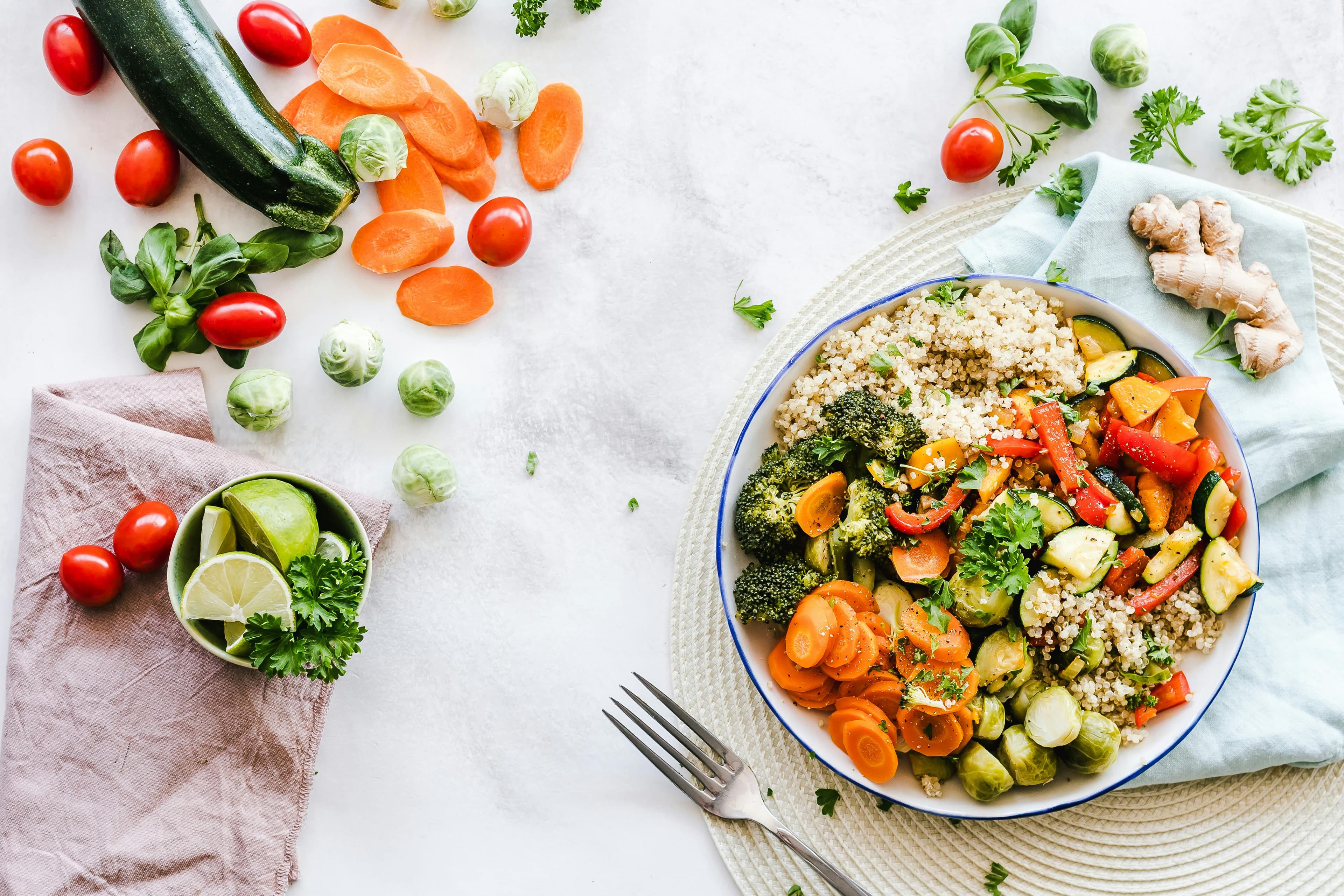
Choosing whole, minimally processed foods helps your gut flourish.
Signs of an Unhealthy Gut
- Bloating or gas
- Constipation or diarrhea
- Frequent heartburn
- Food intolerances
- Skin issues like acne or eczema
- Low energy or fatigue
- Brain fog
- Weakened immunity
If you experience these symptoms often, improving gut health can make a huge difference.
Frequently Asked Questions
How long does it take to improve gut health?
Some people notice improvements within a few days, but full microbiome restoration takes 2–12 weeks.
Can probiotics cause gas?
Yes, in the first few days. This is normal and temporary as your gut adjusts.
Should I take a probiotic supplement?
Food-based probiotics are great, but supplements help if you have digestive issues or after antibiotics.
Is coffee bad for the gut?
Moderate coffee can be beneficial. Excessive caffeine may cause irritation in sensitive individuals.
Do antibiotics harm gut health?
Yes — they kill both good and bad bacteria. Restoring gut flora after antibiotic use is essential.
Conclusion
Your gut is the foundation of your overall health. By eating probiotic and prebiotic foods, managing stress, exercising, staying hydrated, sleeping well, and limiting processed foods, you can naturally restore gut balance and improve digestion, immunity, mood, and energy.
Start with one or two habits today, and gradually build a lifestyle that supports a strong and thriving gut. Your entire body will feel the difference.