Nutrition18 min read
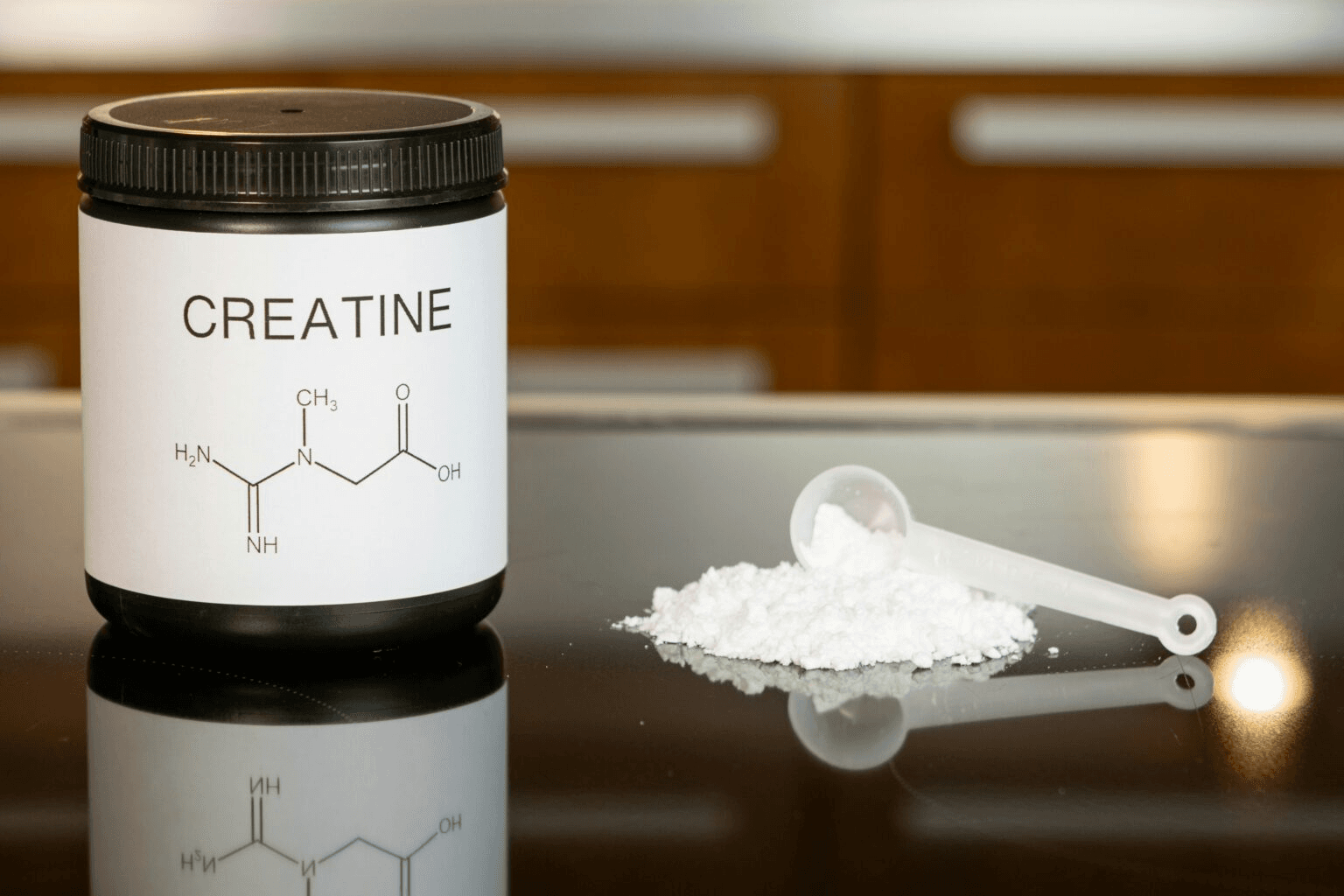
Beyond GYM: How Creatine Helps Everyday Performance
Discover how creatine supports daily energy, brain function, recovery and weight-loss goals — even if you never step into a gym.
Dev kumar
November 25, 2026

A high-fiber, low-sugar diet is one of the most powerful and scientifically supported strategies for improving metabolic health, supporting weight loss, and enhancing the effectiveness of intermittent fasting. Functional nutrition goes deeper — it helps you understand how different foods interact with your biology, hormones, gut microbiome, and long-term health markers.
In this article, we explore the science behind fiber, why sugar disrupts metabolic balance, and how combining functional nutrition with fasting leads to sustainable fat loss. If you're practicing intermittent fasting, trying to reverse insulin resistance, or simply want science-backed dietary strategies, this guide is for you.
Functional nutrition looks at root causes instead of symptoms. Instead of simply counting calories, it asks:
This systems-based approach aligns perfectly with a high-fiber, low-sugar diet because fiber improves nearly every metabolic pathway — digestion, glucose control, insulin sensitivity, and satiety.
Fiber is not digested like normal carbohydrates. Instead, it acts as a metabolic regulator that influences hunger, appetite, hormones, and digestion. Here’s how:
Soluble fiber slows the digestion of carbs, preventing glucose spikes and crashes. Stable glucose = stable energy + fewer cravings. This is essential for people practicing intermittent fasting, because stable glucose makes fasting easier.
High-fiber diets reduce the amount of insulin needed per meal. Over time, this improves insulin sensitivity — the core driver of fat loss. Lower insulin = easier fat-burning.
Fiber acts as a prebiotic, feeding good bacteria. A diverse microbiome produces:
This gut–hormone interaction directly improves fat loss, mood, digestion, and skin health.
Fiber expands in the stomach, activates stretch receptors, and slows gastric emptying. You feel full longer — without “dieting”.
Sugar directly interferes with the benefits of fasting and metabolic flexibility. Here’s how:
Insulin blocks fat-burning for hours. Even small amounts can stall weight loss.
High sugar → dopamine spike → crash → craving cycle. This makes sticking to fasting windows extremely difficult.
Sugar feeds harmful bacteria and yeast, leading to bloating, inflammation, and slow digestion.
Sugar molecules bind to proteins (glycation), damaging collagen and speeding up aging — especially skin aging.
Intermittent fasting is powerful, but when paired with a high-fiber, low-sugar diet, results accelerate dramatically. Here’s why they complement each other:
To explore fasting-friendly foods, check our article Best Morning Exercises to Boost Energy All Day and 10 Best Things to Eat in Breakfast.
These foods improve glucose control, gut function, and fasting performance.
Meal 1 (Breaking Fast)
Oats + chia seeds + berries
or moong dal chilla + mint chutney
Lunch
Dal + millet roti + vegetables + salad
Snack
Nuts + green tea
Dinner
Quinoa upma or a high-fiber vegetable khichdi
High-fiber, low-sugar diets are not just “healthy habits” — they are metabolic tools backed by research. When combined with functional nutrition principles, they improve gut health, fat loss, insulin sensitivity, mood, and hunger control. Add intermittent fasting to the mix, and your results multiply.
Start with one small step today: add fiber, reduce sugar, and tune in to how your body responds. Your metabolism will thank you.
Discover how creatine supports daily energy, brain function, recovery and weight-loss goals — even if you never step into a gym.

Is diet soda truly better for weight loss, fasting, and fitness? Discover the hidden effects of artificial sweeteners and how they impact Indian diets.

Explore the world’s best nutrition plans — from Mediterranean eating to Ayurveda — and discover what each culture gets right about health.