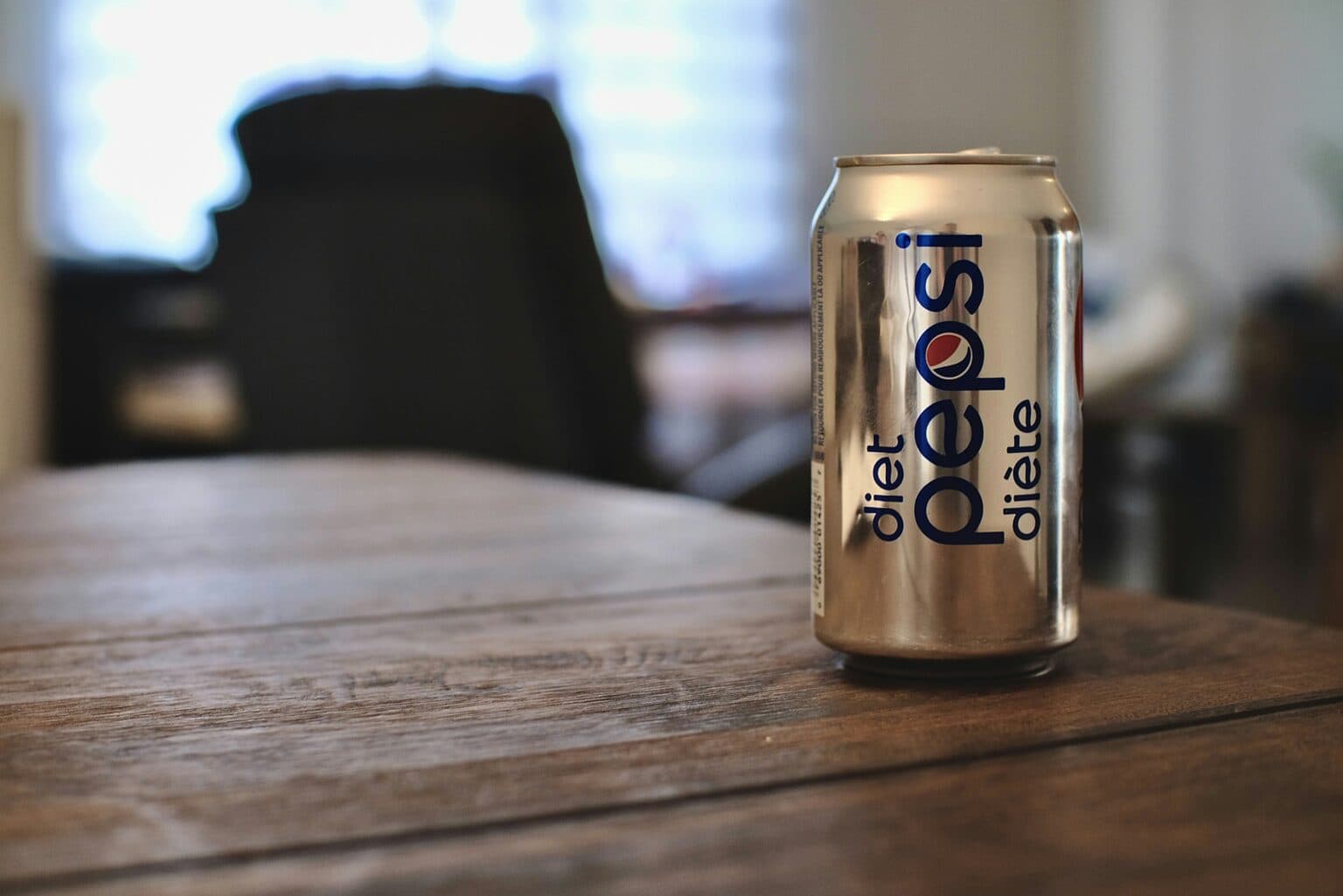
Is Diet Soda Really a Healthy Alternative? The Truth Revealed
Is switching to diet soda actually helping your weight loss, fasting results, or overall health? Or is it quietly slowing your progress? With more Indians embracing fitness, fasting, and low-calorie diets, this question has never been more important. Let’s reveal what’s really inside that zero-calorie can.
Why This Question Matters More Than Ever
Weight loss culture is booming. Sugary soft drinks are being replaced by “lighter,” “zero calorie,” and “sugar-free” options. Diet soda has become the hero drink for anyone trying to cut calories without giving up fizz.
But do artificial sweeteners help you lose weight — or confuse your metabolism? Are they safe for people with diabetes or those on intermittent fasting?
Let’s break it down scientifically and practically for the Indian lifestyle.
What Exactly Is Diet Soda?
Diet soda is simply a carbonated soft drink sweetened with artificial or non-nutritive sweeteners such as:
- Aspartame
- Sucralose
- Acesulfame potassium
- Stevia (in some versions)
The goal? Zero calories, same sweetness, no sugar.
Popular options in India include Diet Coke, Pepsi Black, Coke Zero, and Sprite Zero.
Does Diet Soda Help With Weight Loss?
This is where things become complicated. While diet soda contains no calories, research shows mixed results:
Short-Term Benefits
- Replacing sugary drinks reduces calorie intake
- Helps temporarily curb sugar cravings
- Useful for people transitioning away from sugar
Long-Term Impact
- Artificial sweeteners confuse the body’s appetite signals
- Can increase cravings for carbs and sweets
- Makes you feel hungrier after meals
- Might worsen insulin sensitivity
Pairing diet soda with rich Indian meals like biryani, pizza, samosa, or kachori does NOT balance calories — instead, it creates metabolic confusion.
It may help for a few weeks but often backfires with increased appetite and slower fat loss.
What Do Artificial Sweeteners Really Do?
Artificial sweeteners activate sweetness receptors on your tongue — but your body never receives the calories it expected. This mismatch can lead to:
- Increased hunger after meals
- More cravings for sweets
- Possible changes in gut microbiome
- Weaker glucose control
- Higher risk of belly fat storage
When combined with inconsistent eating or poor fasting habits, these effects become stronger.
Intermittent Fasting & Diet Soda: Do They Fit Together?
Many people drink diet soda during fasting hours believing it’s harmless. Here’s the truth:
- It does not break a fast — because it has zero calories.
- But it may trigger insulin due to its sweetness.
- It can worsen bloating, acidity, and hunger pangs.
- Harder to stay consistent with fasting schedules.
A better fasting strategy is described in our guide:
How Walking 30 Minutes a Day Changed My Health.
Diet Soda in the Indian Diet: A Poor Combination
Indian meals are naturally rich in carbohydrates, spices, and fats. Combining them with diet soda creates issues like:
- Misleading appetite cues
- Increased post-meal cravings
- Higher fat storage due to insulin spikes
- Digestive discomfort
For digestion and weight management, water, chaas, or lemon water are far more effective.
Major Health Risks Associated With Diet Soda
- Bone health issues: Phosphoric acid reduces calcium absorption
- Tooth decay: Acidity erodes enamel even in sugar-free sodas
- Metabolic disruption: Sweeteners interfere with gut bacteria
- Headaches or migraines: Some individuals react strongly
- Higher dehydration risk: Particularly in Indian summers
For deeper insight into aging and metabolic stress from heat, read:
How Extreme Heat Accelerates Aging.
Healthier Drink Options for the Indian Lifestyle
- Buttermilk (chaas): Gut-friendly and cooling
- Coconut water: Natural electrolytes
- Lemon water: Boosts metabolism
- Herbal teas: Ginger, mint, tulsi
- Infused water: Cucumber, jeera, or tulsi
These work beautifully with Indian fasting patterns and fitness routines.
My Experience Quitting Diet Soda
I once relied heavily on Diet Coke during late-night work sessions. At first, it felt harmless. But gradually, I noticed:
- Stronger cravings after dinner
- Poor sleep quality
- More bloating after meals
When I switched to herbal tea, chaas, and lime water:
- Digestion improved
- Skin became clearer
- Reduced belly fat
- Better concentration and sleep
Quick Tips to Cut Down on Diet Soda
- Replace one can per day with chaas or coconut water
- Drink herbal teas in a glass you enjoy
- Stop buying diet sodas in bulk
- Never pair diet soda with heavy meals
- Stay hydrated — many cravings are just thirst
For hydration and antioxidant food ideas, check:
Top 10 Foods to Slow Down Aging Naturally.
Final Verdict: Is Diet Soda Really Healthy?
Not really. While diet soda may be better than sugary cola, it still impacts metabolism, gut health, cravings, and fasting effectiveness.
If your goal is long-term fat loss, better skin, better digestion, and metabolic health, you need beverages that support — not confuse — your body.
Switch gradually to hydrating, nourishing, and traditional Indian alternatives. Your body will thank you.
For more fasting and nutrition insights, explore our popular guides across the site.