
Fitness10 min read
8 Yoga Poses for Beginners to Boost Flexibility and Calmness
Learn 8 easy yoga poses for beginners to increase flexibility, reduce stress, and find inner calm, perfect for starting your yoga journey.
Abhimanyu Pandey
April 15, 2025
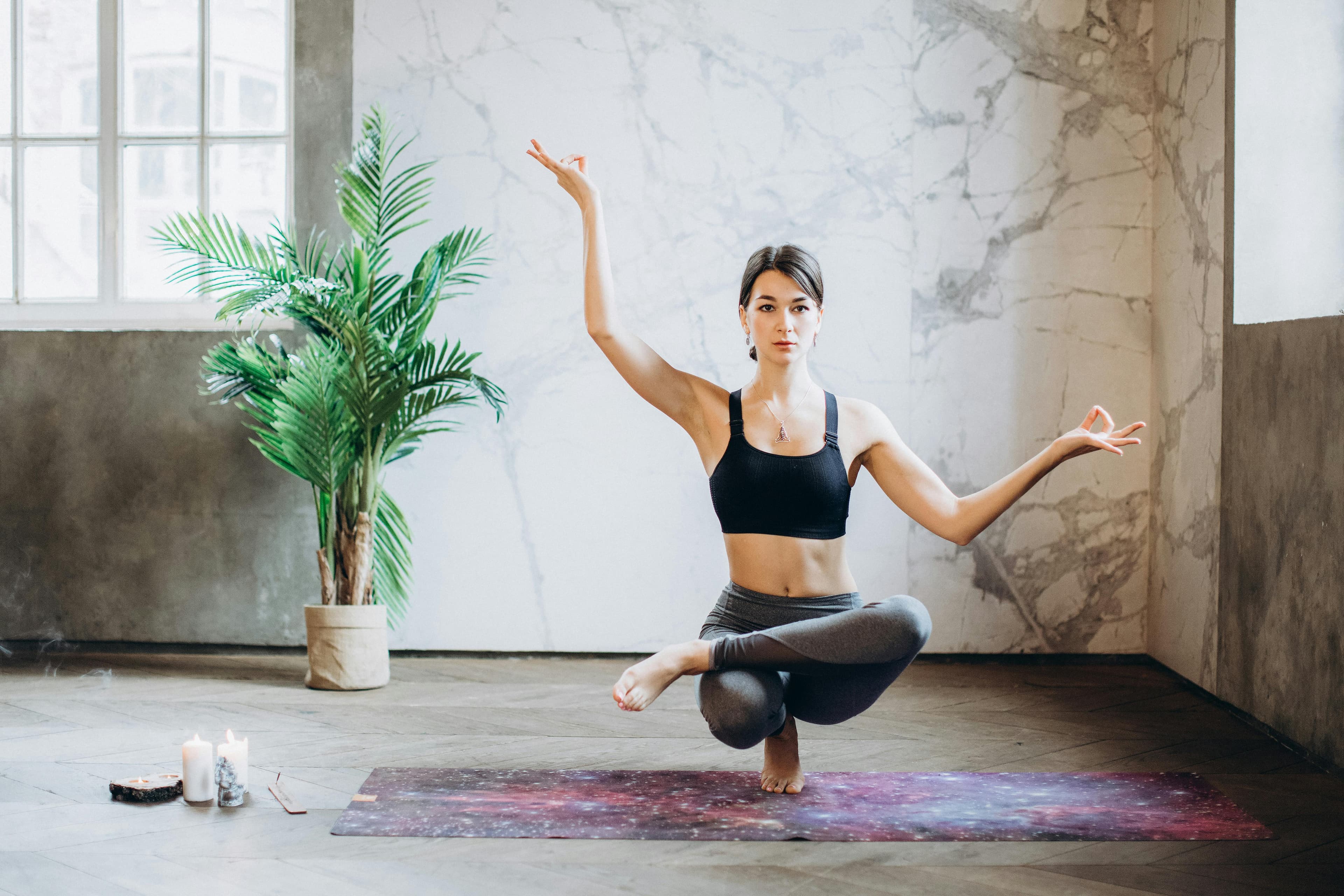
When most people think of yoga, they picture ultra-flexible bodies performing advanced poses. But yoga is much more than physical flexibility—it is a holistic practice that brings together strength, balance, breath, awareness, emotional health, and inner stillness. Yoga enhances not only the body but also the mind, nervous system, and overall well-being.
Whether you're a beginner or an experienced practitioner, this deep dive will show you how yoga transforms far more than your muscles. It improves posture, reduces stress, supports mental clarity, enhances emotional regulation, boosts immunity, and cultivates mindfulness.
Yoga is a 5,000-year-old discipline rooted in Indian philosophy. It integrates physical movement (asanas), breathwork (pranayama), meditation (dhyana), and ethical principles. When these elements work together, they create a mind-body system that strengthens, relaxes, and elevates the whole person.
Yoga is both grounding and energizing, physical yet deeply spiritual, gentle yet challenging.
While yoga is often associated with stretching, many people overlook its powerful strength-building benefits. Yoga requires you to hold your own body weight in various positions—strengthening muscles you rarely use in traditional workouts.
Poses like Warrior II, Plank, Chaturanga, and Tree Pose build power, stability, and endurance over time.
Balance often declines with age, inactivity, or stress. Yoga retrains the brain and body to work together, improving proprioception—the awareness of where your body is in space.
Improved balance also enhances focus and mental quietness, as it requires deep concentration.
One of yoga’s most profound benefits lies in its ability to regulate the nervous system. The combination of slow breathing, deliberate movement, and mindful awareness activates the parasympathetic nervous system—the “rest and digest” mode.
Many people experience lowered heart rate, reduced cortisol levels, and relief from anxiety after just one session.
Yoga trains the mind to stay present. This improves concentration, reduces overthinking, and increases mental clarity.
Practices like breath counting, guided meditation, and slow flow sequences enhance attention span and cognitive function.
Stress, muscle tension, and mental overactivity are common causes of poor sleep. Yoga addresses all three through relaxation, deep breathing, and gentle stretching.
Yoga Nidra, a deep meditative practice, is especially effective for insomnia.
Research shows that yoga eases chronic pain by improving mobility, reducing muscle stiffness, and increasing body awareness. Many people use yoga to manage back pain, joint stiffness, migraines, and even arthritis.
Consistency is key—gentle daily practice works better than intense sessions.
Yoga influences immunity through several mechanisms: reducing stress, improving circulation, enhancing lymphatic flow, and promoting restful sleep.
Yoga teaches you to pay attention to your body’s signals—breath, tension, discomfort, relaxation, and emotional states. This awareness helps you make better lifestyle choices and avoid burnout.
Yoga is not only physical—it transforms how you think, feel, respond, and live.
Slow-paced, beginner-friendly, and great for learning foundational poses.
Dynamic flow linking breath with movement. Builds strength and cardio endurance.
Long holds focused on deep connective tissue stretching—excellent for flexibility and stress relief.
Gentle, supported poses that promote deep relaxation and healing.
Intense, strength-based flow for building stamina and muscle tone.
Structured, disciplined practice with fixed sequences for strength and consistency.
Begin with basic poses and increase intensity gradually.
Your breath guides your pace and helps prevent injury.
If a pose feels painful, modify it or take a break.
10 minutes daily is more effective than 1 hour once a week.
Blocks, straps, and pillows make poses accessible for all bodies.
Yes, especially Vinyasa and Power Yoga, which burn calories and build muscle.
No! Flexibility is a result of yoga, not a requirement.
No. Yoga is a spiritual and physical practice, not a religion.
Absolutely. Many apps and beginner-friendly videos make home practice safe and easy.
Yoga is much more than stretching—it’s a lifestyle of mindfulness, strength, balance, inner calm, and self-compassion. Whether your goal is to build muscle, reduce stress, improve sleep, enhance mental clarity, or connect more deeply with yourself, yoga offers transformative benefits that ripple through every area of your life.
Start small, breathe deeply, listen to your body, and let yoga guide you toward a healthier, calmer, and more centered life.
Learn 8 easy yoga poses for beginners to increase flexibility, reduce stress, and find inner calm, perfect for starting your yoga journey.
Kickstart your day with these simple and effective morning exercises designed to energize your body, enhance mood, and boost productivity.
Discover ten nutrient-packed meals that will give you the energy and stamina to crush your workouts and achieve your fitness goals.