Nutrition12 min read
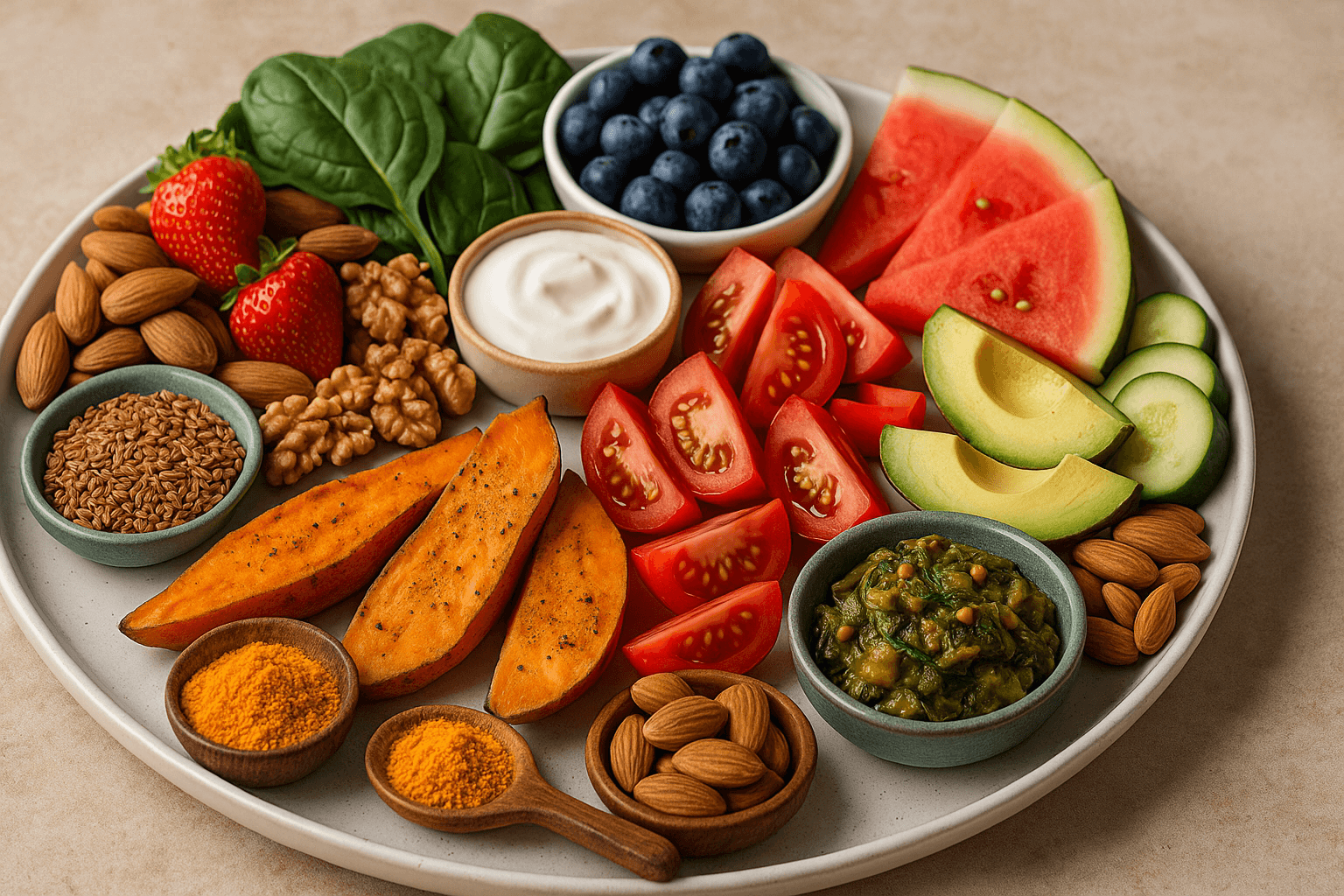
Top 10 Foods to Slow Down Aging Naturally
Discover India-friendly anti-aging foods that boost skin glow, energy, metabolism, and longevity naturally.
Aarav Mehta
September 15, 2025
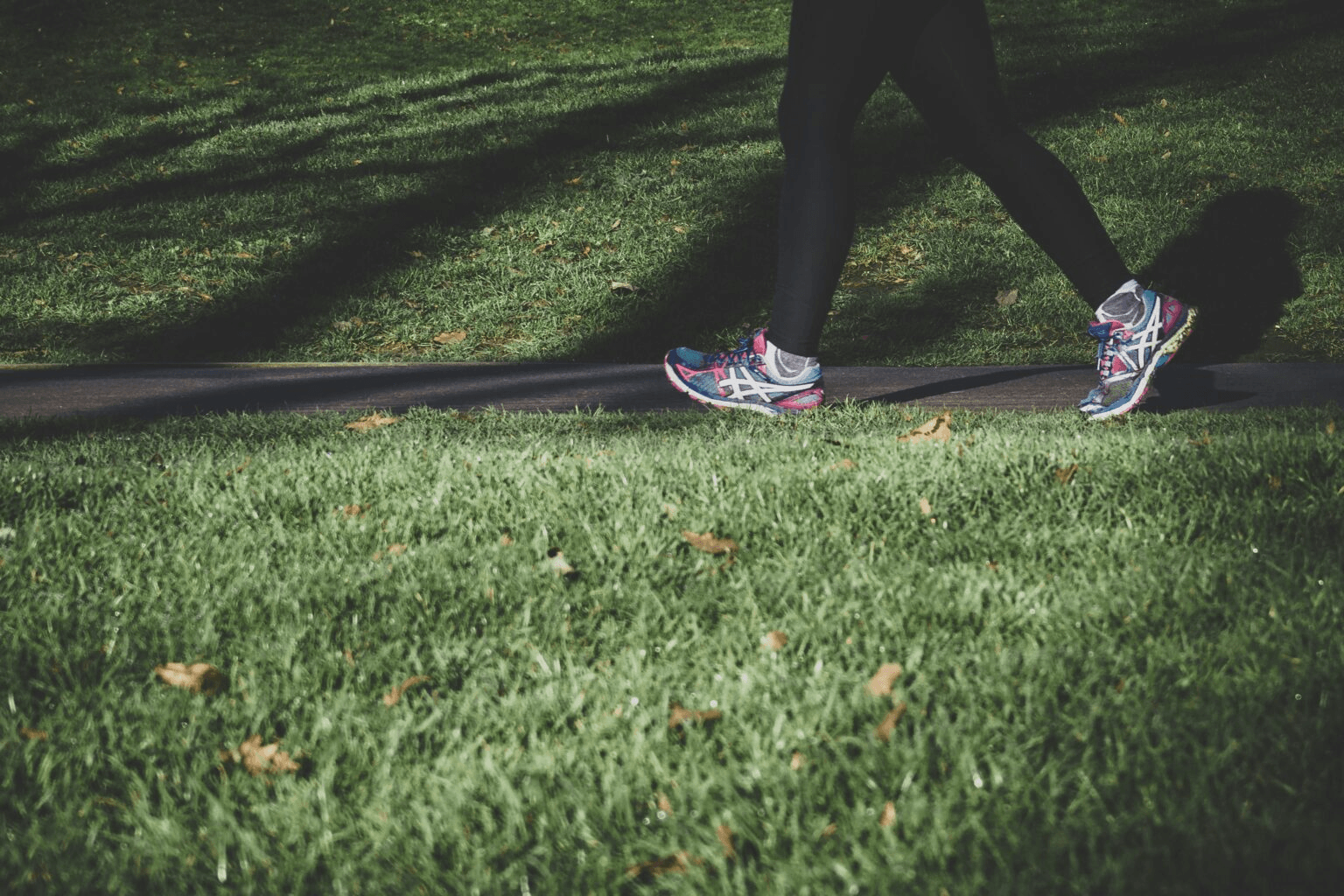
Walking is one of the simplest, most underrated habits for improving health. No equipment, no gym membership, no complicated routines — just your legs, a pair of slippers or shoes, and the willingness to move. When I committed to walking 30 minutes a day, I didn’t expect it to transform my digestion, weight, energy, and mental clarity. But it did — all within a few months.
In this blog, I’ll share my experience and the science-backed benefits of walking, especially for those following an Indian diet or intermittent fasting routine. I’ll also include practical tips, cultural habits, and real-life strategies that helped me stay consistent.
My days looked like most young professionals in India: long hours at the desk, late-night Netflix, irregular meals, and zero physical activity. I tried everything — crash diets, yoga tutorials, detox teas — but nothing stuck. I felt tired, bloated, and mentally foggy. One evening, frustrated with myself, I decided: “Let me just walk for 30 minutes.”
I didn’t expect life to change with that simple step — but it did.
I began walking after dinner inside my apartment complex. No smartwatch, no step goals — just slippers and a soft playlist. The first few days felt tougher than they should have. My stamina was low, and my legs felt heavy. But I promised myself I would show up every day.
I hadn’t changed my diet. I hadn’t started exercising. The only difference? Walking.
By week two, my walks felt easier and more enjoyable. I started walking briskly and listening to podcasts on intermittent fasting and Indian nutrition. This became my “me time” — a break from screens and stress.
If you want to pair walking with fasting, read our guide: Best Morning Exercises to Boost Energy All Day.
By the third week, the changes became impossible to ignore.
I didn’t starve myself or avoid roti-rice. I simply walked daily and reduced portion sizes. With an Indian diet rich in dals, sabzi, and fermented foods, I lost nearly 2 kg in the first month — effortlessly.
My evening sweet cravings dropped dramatically. Instead of reaching for sweets, I was satisfied with fruit or saunf.
The quiet time during walks became a moving meditation. My thoughts organized themselves. I solved problems faster and felt more creative.
Before walking daily, I caught a cold every few weeks. With regular walks, I noticed fewer colds, more stamina, and higher energy.
You don’t need quinoa bowls or expensive nutrition bars. My diet remained simple and Indian.
Want a personalized Indian diet plan? Explore: Best Diet Plans for Indians.
Walking helped me stay active during fasting hours. It reduced hunger pangs and stabilized my energy levels.
Best time: Walk during the last hour of your fast — just before your first meal.
It’s been more than a year since I started walking daily. Here’s what changed:
Indian routines naturally include movement — we just forgot about them:
Walking 30 minutes a day gave me results that no diet, detox, or supplement ever did. It’s free, flexible, and ideal for Indian lifestyles. Whether you want to lose weight, stabilize your mood, improve digestion, or enhance your fitness — this is where you start.
Take that first step today. Your body and mind will thank you.
For more such real stories and practical guides, explore our health blogs or visit LiveTheHealthyLife.in.
Discover India-friendly anti-aging foods that boost skin glow, energy, metabolism, and longevity naturally.

Extreme heat can speed up aging, damage skin, disrupt metabolism, and stress your body. Learn what to eat and how to adjust fitness & fasting routines.